
Reviews and reputation

The stars decide who walks in. Let's take care of them.

Before choosing where to eat, everyone reads the reviews: the average, the most recent, and how the owner replies. We build a steady flow of genuine reviews, reply to each one in the voice of your venue and turn even the negative ones into a point in your favour.

How much do reviews really matter for a restaurant?

Reviews carry weight three times over: with customers, who read them before choosing and rule out venues under four stars; with Google, which uses them (number, frequency, content and replies) to decide who to show in the top local results; and with AI assistants like ChatGPT, which cite them when recommending where to eat. A well-kept reputation works on all three fronts at once.

And the recent ones matter more than the many: ten fresh reviews a month tell Google and customers that the venue is alive today, not that it was good two years ago. That's why reputation isn't fixed once: it's cultivated every week.

The service

How we build your venue's reputation

A steady flow of genuine reviews

The right moment to ask for a review is while the customer is still happy, at the table. Our physical Review Cards (one tap with the phone and the review page opens) turn that moment into stars. We add post-visit invitations by email or SMS from the bookings database, and the flow never stops.

Considered replies, to every single review

Replying is a ranking signal and an act of hospitality: whoever reads looks at how you treat customers, even the difficult ones. We reply to all the reviews for you, in the voice of your venue, with the names of the dishes, an invitation to return. No copy-and-paste: whoever reads notices, and so does Google.
The negative ones, handled without harm

A negative review handled well convinces more than ten positive ones: it shows how you react when something goes wrong. We reply with a cool head (never in the heat of the moment, never on the defensive) with apologies where they're due, context where it's missing, and the conversation brought back into private. And we report to Google the false or defamatory ones, which can be contested.

Monitoring across every platform

Google is the main field, but reputation lives on the other review platforms too and on the channels where customers talk about you. We monitor it all from a single point: every new review reaches you as a notification, every reply goes out the same day, and every month you see in the report the average, the volume and the recurring themes, including the ones that speak to the kitchen.

The reviews tell you what to fix (for free)

Inside the reviews is the most honest consultancy you'll ever get: the slow service on Tuesdays, the awkward table by the door, the dessert everyone photographs. In the monthly report we pull out the recurring themes, positive and negative, so that reputation isn't just a number to defend: it's a compass for the venue.

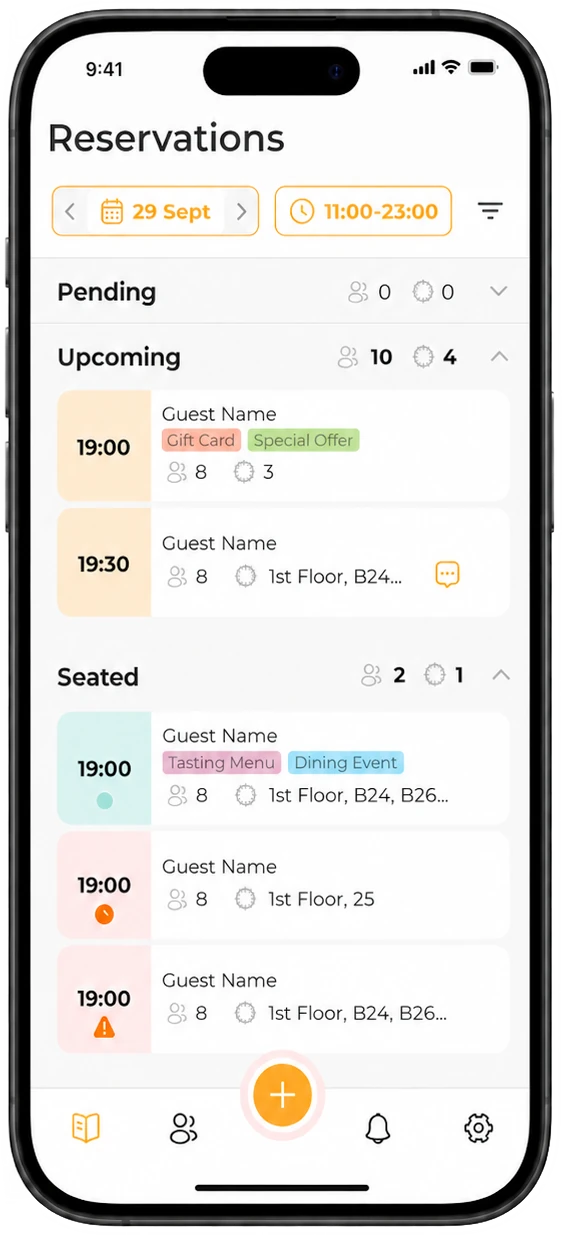
The floor problems that surface from the reviews

Results counted in stars

With a steady flow of genuine reviews and a reply to each one, the volume grows and the average rises: it's the signal that tells Google, customers and the AIs that the venue is alive and well-kept, now.

Read the success stories

Frequently asked questions about reviews and reputation

How do you reply to a negative review?

Never in the heat of the moment and never on the defensive: you thank them, you apologise for the experience (not necessarily for the fault), you give context in one line if it's missing, and you bring the conversation into private by offering a direct contact. The reply isn't for the person who wrote it: it's for the thousand people who'll read it.

Can false reviews be deleted?

Sometimes yes: Google removes reviews that breach its policies (never actually customers, offensive content, unfair competition). We prepare and follow up the reports for you, with the right evidence. What can't be done is deleting genuine but unwelcome reviews: those are handled with the reply.

Does buying reviews work?

No, and it's dangerous: Google is getting better and better at spotting them and can penalise or suspend the profile, not to mention the penalties for misleading practices. A flow of genuine reviews (asked at the right moment from the right customers) grows almost as quickly and never collapses.

Can I ask customers for reviews?

Yes: asking is permitted and advisable, as long as the review stays free and nothing is offered in return. The Review Cards at the table and the post-visit invitation do exactly this: they make easy what a happy customer would do anyway, if they didn't forget.

Do you write the review replies or do I?

We write them, in the voice and by the rules agreed with you: how to sign off, how to handle the delicate cases, when to involve you before publishing. You see everything and step in whenever you want, but you stop having to do it at 23:30 from the sofa.

How long does it take for the average to improve?

The average moves with the volume: with a steady flow of fresh reviews, the first decimals are recovered in 2-3 months. The lower the starting average and the more reviews in the history, the more consistency it takes: that's why the work is weekly, not a one-off.

Let's take stock of your reputation.

We analyse your reviews on Google and the other platforms free of charge: average and volume against the three competitors just above you, recurring themes, reviews without a reply and the ones that can be contested.

Request the reputation analysis